The Short Answer
Brand teams can bring video campaigns into GEO by connecting the campaign's evidence with the questions customers ask before choosing a product. Analyse the ads, review relevant findings against approved facts, develop useful written answers and publish them in the right places. Give search, campaign, product and content teams clear responsibilities, then observe the published information and sampled AI answers separately.
Three key takeaways
- Include video evidence in the planning and handover for a campaign, with someone responsible for the resulting public information.
- Share a small set of questions and approved sources across teams so useful details survive the journey from advert to answer.
- Extend the campaign with purposeful content and inspectable observations, rather than promising an AI-search result at launch.
The campaign already contains part of the answer
A brand team can spend months agreeing what a product should communicate in a thirty-second film. The demonstration is rehearsed, the pack is correct and the on-screen wording has survived several committees. Then the accompanying webpage receives a title, an embedded player and a sentence written while someone waits for the final export.
The work inside the video deserves a better handover. A customer who asks about a feature may need the same detail the campaign shows beautifully, expressed in a form they can read, compare and revisit. GEO gives the team a reason to connect that information with public answers.
The opportunity is particularly clear for brands that regularly demonstrate products. A folding pushchair, a refill mechanism, a camera setting or a food preparation method can all support useful explanations. The task is to identify what the demonstration establishes and which additional references are needed.
Agree the questions before adding more deliverables
Start with the campaign's audience and the decision it is meant to influence. A launch for a compact pushchair might raise questions about folding, storage, included accessories and suitable use. A brand film may raise questions about design, materials or the story behind a collection.
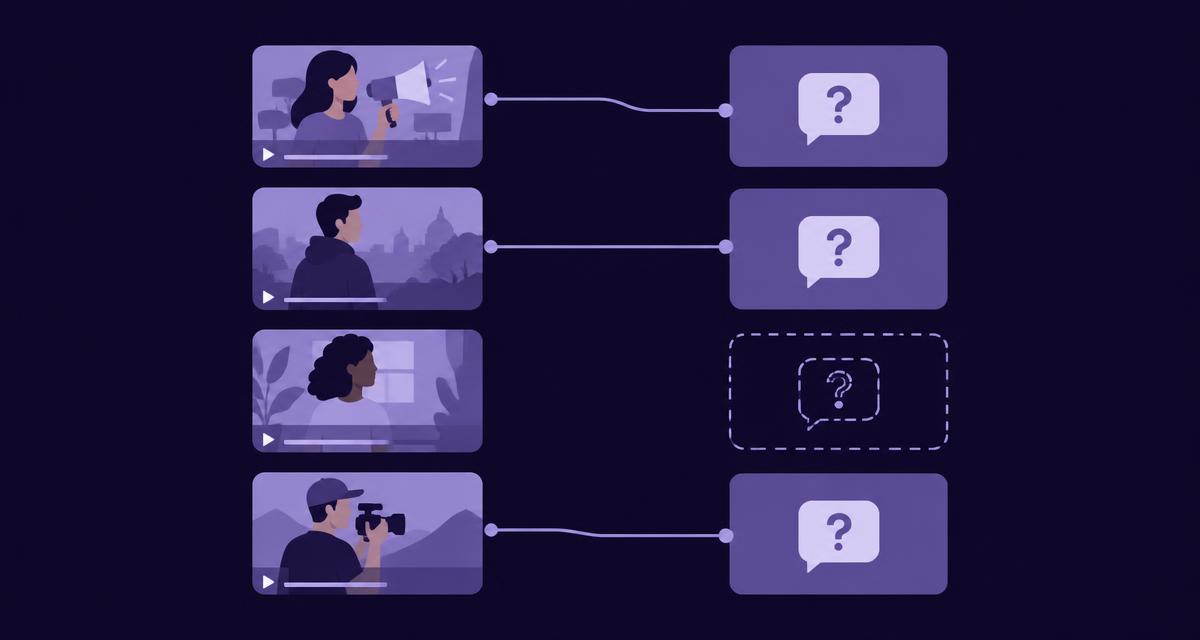
Bring search and customer-facing colleagues into that conversation. Ask which questions are already appearing, which answers exist and where people still struggle. Keep suggested questions separate from observed demand so the plan remains honest about what is known.
This is a manageable addition to the campaign brief. The team does not need to settle the future of search before agreeing who will explain how the pushchair folds. A useful brief makes the next piece of work smaller and clearer.
Give each team a specific responsibility
The campaign lead should coordinate the handover, while the people closest to the facts retain responsibility for them. Asking one generalist to approve creative interpretation, product specifications and website implementation is an efficient way to arrange three different mistakes.
| Role | Main responsibility | Handover item |
|---|---|---|
| Campaign lead | Define audience, scope and timing | Campaign context and agreed questions |
| Search or discovery lead | Identify demand and suitable destinations | Question evidence and existing-page map |
| Product or brand owner | Confirm facts and qualifications | Current authorised references |
| Content team | Develop clear, useful explanations | Drafts with source references |
| Web or channel owner | Publish and check the destination | Working URL and publication record |
| Measurement owner | Record observations consistently | Samples, traffic where available and limitations |
One person may cover several roles in a smaller business. The important point is that the responsibility remains explicit. A job title is optional; an unanswered approval question is not.
Review the whole campaign in AdCyte
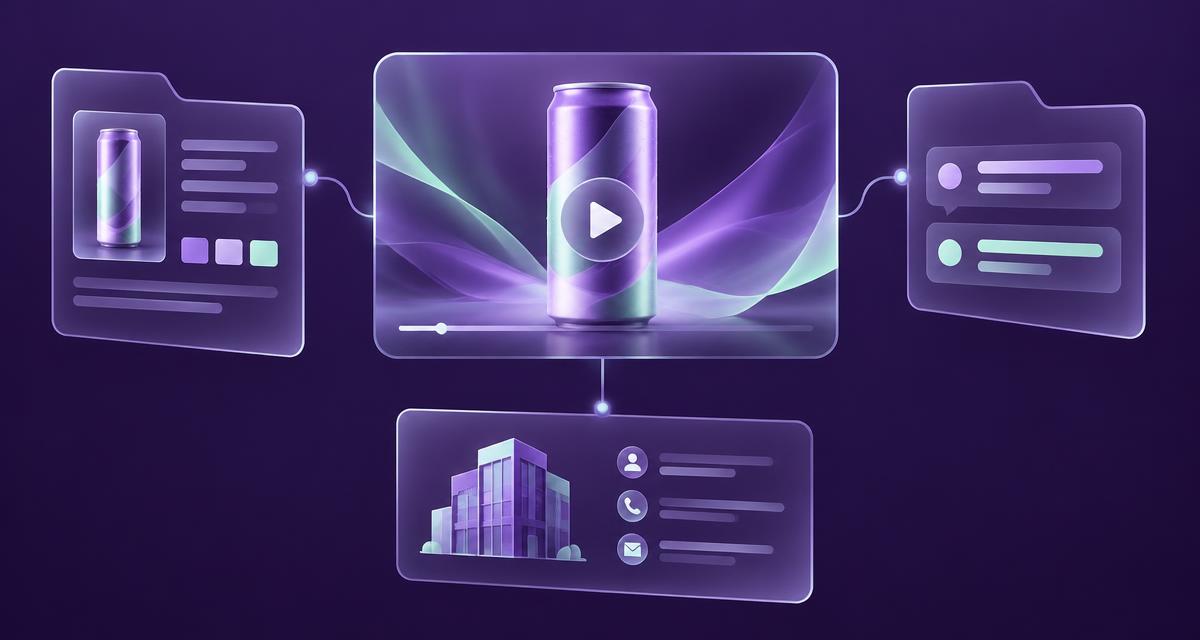
Include the relevant ads, short edits and product demonstrations in the campaign review. Differences matter. A short edit may feature a different accessory, omit a condition or show a configuration that the hero film does not. Those distinctions can become important when writing an answer about exactly what is included.
Use AdCyte's findings as a starting point and inspect the supporting moments. Match the product identity, speech, visual demonstration and on-screen text with the approved references. Keep unresolved details visible instead of averaging several versions into one convenient description.
The video-intelligence workflow helps organise that examination. The judgement still matters: a visual event establishes what the film shows, while an approved product record establishes the conditions under which a broader statement may be used.
Work through one useful question
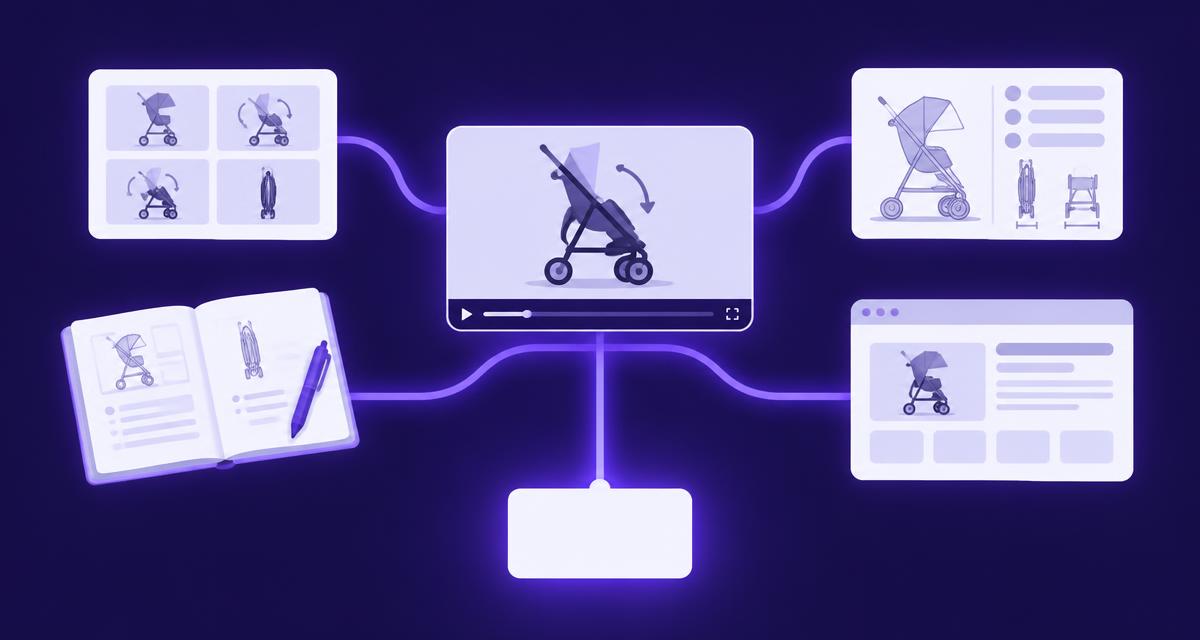
Consider a pushchair campaign that shows a parent folding the product and placing it beside the front door. The natural customer question is whether it can be folded for storage in a small home.
The footage can help explain the folding sequence. Approved dimensions can establish the folded size. The product instructions can explain whether a lock, accessory removal or another condition applies. Together, these sources can support a helpful answer; any one of them alone may leave something important out.
The written version should name the model and explain the sequence in plain language. It can include the demonstration and link to the authoritative instructions. It should not casually extend “compact fold” into “fits every car boot” because somebody liked the sound of the sentence.
This gives the brand an inspectable content decision. A reviewer can see why each detail appears, and a customer can find the information needed for their own situation.
Choose the destination before multiplying the copy
Review the existing product page first. If it already receives relevant visitors and answers related questions, an improved section may be the best destination. A standalone guide is justified when the task requires more explanation. A campaign page can provide the wider creative context and link to the practical answer.
Use other destinations where they suit the audience and current publishing capabilities. A LinkedIn post may introduce the design decision; a YouTube description can point viewers towards the fuller explanation. These formats need appropriate wording and links, rather than an identical block copied into every available box.
AdCyte can help prepare content from the reviewed evidence. Confirm the actual publication route for each destination, including any manual handover. A prepared package is useful, but the customer cannot visit it until somebody publishes the page.
Add this to the campaign handover
Alongside the final assets, supply a short question-and-source record, the approved written outputs and the intended destinations. Name the person who will check the live result and the person who owns future changes.
The record should capture what is still unresolved. If the footage shows a pre-production accessory, that needs an explicit decision before publication. If a country-specific claim appears in one edit, preserve the market boundary. These details are much cheaper to address while the campaign team still remembers why they exist.
Use an ordinary working document if that is the clearest current process. The value is in the connection between evidence, wording and responsibility. A new dashboard can wait until it has something useful to display.
Observe what happens after publication
Check that the published page contains the intended answer, links work and the product information is current. Record the publication date and the specific changes so later observations have context.
If AI visibility is being monitored, use agreed questions and retain the sampled responses. Assess whether the intended product appears, whether the answer is accurate and which sources are cited. Keep provider failures and missing observations separate from a negative answer.
Review traffic and enquiries where attribution is available, but avoid treating every subsequent result as an effect of the new content. The team has improved a public source. Demonstrating its contribution to a commercial outcome takes additional evidence.
Make the next campaign easier
The first project should leave behind reusable decisions: which facts need an owner, which questions recur, which destinations work and where the handover breaks. Apply those lessons to the next brief rather than rebuilding the process around every launch.
A practical success is a team that can trace a public answer back to its campaign evidence and current references without convening another meeting. That is a useful operational improvement even before any external search observation changes.
Plan a campaign handover that includes discovery
Explore AdCyte for brand and campaign teams to see how the workflow fits together. If several teams need to agree the process, book a campaign workflow demo.
FAQs
Does the search team need to own the campaign?
No. Search specialists contribute questions, discovery expertise and page priorities. Campaign and product owners retain their responsibilities for creative context and approved facts. Agree one coordinator so the work has a clear handover.
Should this happen before or after launch?
Start during planning when possible, then complete the review against final campaign assets. An existing advertising library can also be used retrospectively, provided product versions, dates and current relevance are checked.
Do we need an article for every advert?
No. Analyse the ads to capture their meaningful differences. Publish the distinct answers that people need, using existing pages where they are the right destination.
Can campaign approval serve as approval for the written answer?
A new written use may change the scope or context of a statement. Have the appropriate owner review the actual answer and its qualifications rather than assuming the video's approval covers every adaptation.
Can AdCyte publish to every channel automatically?
Use the supported destinations and permissions available in the current workspace. Other outputs can follow the team's normal export or manual publishing process. Confirm each route before committing it to the plan.
What should we report to the campaign lead?
Report the questions covered, reviewed outputs, published destinations, unresolved issues and observable results. Distinguish work completed from AI representation, referral traffic and commercial outcomes.
Where to go next
- Build a GEO content brief: agree the question, sources and destination before writing.
- What is generative engine optimisation?: share the broader explanation with colleagues joining the project.
- Organise a campaign collection and review its evidence coverage: prepare the campaign material for practical review.