The Short Answer
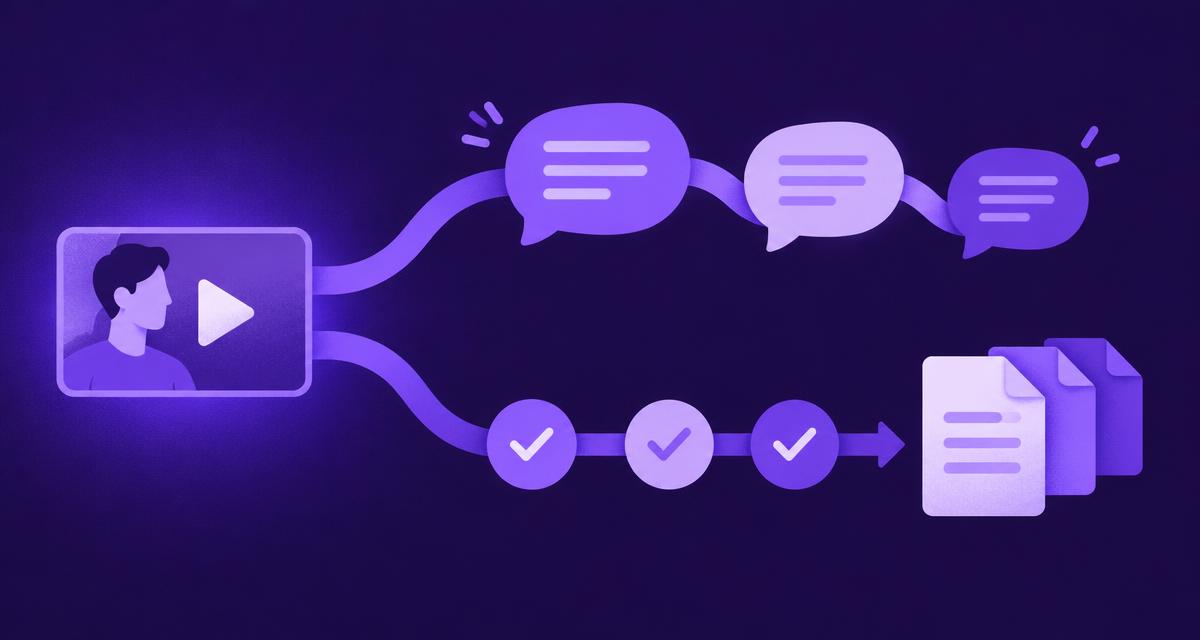
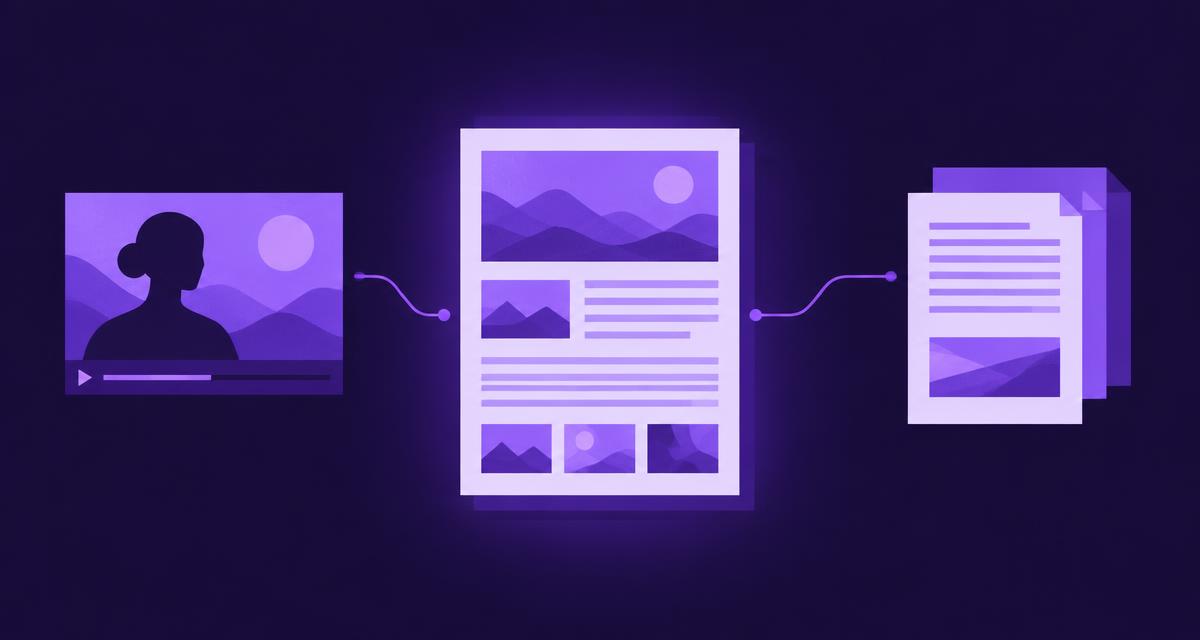
Keep three things clear: what the video shows, what an approved brand source confirms and what remains an interpretation or unanswered question. Review important statements against the right source, check that product facts apply to the intended variant and market, and preserve qualifications when you write. AdCyte can help turn video findings into useful content, but the review still needs human judgement. The goal is a piece someone can explain and defend, even after the person who wrote the brief has gone on holiday.
Key takeaways
- Match the statement to its source. Footage, product information and editorial interpretation support different kinds of claims.
- Check where and when a fact applies. A correct detail can still be wrong for another variant, market or period.
- Review the final wording. A supported finding can become an unsupported claim during drafting, shortening or adaptation for another channel.
Why can an accurate analysis produce an inaccurate article?
A video analysis can correctly identify a product, describe an action and transcribe the on-screen wording. The problem may arrive later, when those findings become a flowing paragraph with a few helpful additions.
“The ad shows the bottle being refilled” becomes “the bottle is designed for unlimited reuse”. “The character looks pleased” becomes “customers love the new flavour”. The draft has crossed from observation into assertion, often without pausing for breath.
This can happen in human writing as well as generated copy. Writers compress, connect and interpret information. Those are useful skills, but each connection needs to remain within the evidence available. A sentence does not gain a research department because it has acquired a confident tone.
The practical answer is to review the published claim as a whole. Checking that individual ingredients appear somewhere in the source is insufficient if the final sentence draws a conclusion those ingredients cannot support.
Which kinds of information are you working with?
Use a simple editorial distinction between observations, supplied facts and interpretations. Keep unanswered questions visible too, so that a missing fact does not quietly become a writing opportunity.
| Kind of information | Example | How to use it |
|---|---|---|
| Direct observation | The ad shows a diet cola can being poured over ice | Describe the action and retain the relevant source reference |
| Approved brand fact | The current product sheet lists particular pack sizes | Check the product, market and date before using the detail |
| Interpretation | The scene presents the drink as part of a relaxed gathering | Explain the creative reading without presenting it as customer research |
| Unresolved question | Is this pack still available in the target market? | Find an appropriate source or leave the claim out |
These are editorial categories, not a claim that every system has four matching buttons. A review note or shared document can preserve the distinction when the software does not provide a suitable field.
The benefit is clearer decision-making. You can see what is ready to use, what needs confirmation and where a more modest sentence would be both accurate and useful.
What does the footage actually establish?
Return to the relevant moment and inspect the surrounding sequence. Confirm the product identity, the action and any text that qualifies the statement. Listen to the audio as well as looking at the frame; the two can change each other's meaning.
A timestamp makes finding evidence easier. It does not prove the attached sentence. If an analysis points to a scene of a person lacing up a running shoe at the door, that supports a description of the scene. It does not establish that the shoe is the lightest in its category.
Small wording changes can keep an explanation useful. “The ad demonstrates the outsole being flexed on wet pavement” is precise about the source. “Grips every surface effortlessly” adds judgements and scope the demonstration may not support. The pavement has become surprisingly ambitious.
When the detail is unreadable or ambiguous, record that uncertainty and seek a clearer source. Checking findings against their source walks through this review without requiring you to rely on a plausible description alone.
When should you bring in approved brand information?
Use brand information when the intended answer needs facts that the video does not establish. These might include dimensions, available sizes, compatible accessories or current product variants. A thirty-second ad has limited room for the entire product department.
Check the source's authority and scope. A draft presentation, an old campaign brief and a current approved product sheet may contain similar sentences with very different usefulness. Know who owns the information and which version the team should use.
Also check that the fact belongs to the right item. A statement about a diet cola variant should not migrate to the standard cola because the cans share a family resemblance. The same applies to regional packs, seasonal offers and products with similar names.
Approval has a scope. Record the relevant product, market and period alongside important facts. Where the source does not make that scope clear, ask the owner rather than filling the gap with a reasonable-sounding assumption.
What does a useful review look like in practice?
Take a diet cola ad showing friends preparing a barbecue. The footage includes a can, a pour over ice and the product name on the end frame. The content brief asks for an explanation of the campaign and a short answer about available pack sizes.
The campaign explanation can draw on the scenes and their sequence. It might describe the ad's relaxed social setting and how the product appears within it. Those are observations and interpretations of the creative, with wording that makes their nature clear.
The pack-size answer needs the current product source for the intended market. The size visible in the ad might be one valid example, but it cannot establish the complete current range. Confirm the range separately and keep the answer's scope explicit.
Now review the combined draft. If it says the campaign proves that shoppers prefer the product at barbecues, remove or substantiate that claim. If it describes the setting and gives the verified pack information, the two sources are doing appropriate work together.
How much evidence should the reader see?
Readers need enough context to understand and assess important statements. That does not require publishing the team's internal review notes or attaching a citation to every description of a can.
For original research, external claims and consequential comparisons, identify the source and explain relevant limits. For product information, make the product and market clear and link to the appropriate detail where useful. For creative interpretation, write so that the reader can recognise it as interpretation.
Keep more detailed evidence records behind the content when necessary: the video version, relevant moment, approved document and review decision. This makes later corrections easier and helps another colleague understand why the wording was chosen.
The public page and the internal record serve different purposes. The page should be readable. The record should let the team answer a reasonable challenge without reopening every campaign file and performing a small archaeological dig.
What changes when the content moves to another destination?
Shortening creates its own risks. A careful website paragraph can lose a qualification when it becomes a social post. A description of one product can become a statement about the entire range. A headline can promise more than the article underneath it.
Review each final output in its own context, including headings, captions and preview text. The question is what a reader would reasonably understand from that version. A qualification buried in another destination will not reliably repair an overbroad sentence here.
This matters for website content, LinkedIn writing, YouTube descriptions, Reddit contributions and other destinations. Adapt the explanation to the audience and format while preserving the factual boundaries. A character limit is a writing constraint, not a permission slip for a larger claim.
Who should own the review and the later updates?
Give someone responsibility for the finished content. The person drafting can perform the first check; a product or brand owner can resolve facts outside their authority. Use the smallest review process that fits the significance of the claims and your existing approval arrangements.
Keep the final wording and its relevant sources identifiable. If a product detail changes, the team should be able to work out which content needs attention. An old ad can remain valuable as a campaign record while its details need qualification in a current product answer.
Review should also feed back into future work. If a recurring ambiguity causes corrections, improve the brief or source information. Repeatedly fixing the same sentence is a process problem, even if everyone has become impressively quick at it.
How do you keep this practical across all your ads?
Run every ad through AdCyte, then organise review around the claims and intended outputs. Some material will support a straightforward campaign description. Other material will contribute to product answers that need more supporting information. Analyse broadly and match the depth of checking to the statement being made.
Begin with a campaign and agree a few clear review rules: identify the source, preserve qualifications, resolve product scope and check the final version. Use those rules across the team and refine them when real examples expose a gap.
Trust grows from work that stays understandable when questioned. The combination of video findings, current brand information and accountable editorial decisions gives you a practical basis for producing that work repeatedly.
Build content you can stand behind
Use AdCyte to turn every ad into material your team can review and put to work. Combine the footage with the right brand information, then create content suited to each destination. Explore VideoGEO content generation or begin with the source-checking guide.
Frequently asked questions
What is the difference between a finding and a product fact?
A finding describes something identified or interpreted in the video. A product fact may come from a separate approved source, such as a current specification. Both can inform content, but they support different statements. Keep their origins clear and check that the fact applies to the product you are discussing.
Does a timestamp prove that a claim is correct?
No. A timestamp helps locate the relevant moment. A reviewer still needs to check whether the footage supports the complete claim, including any implied comparison or performance promise. Watch enough surrounding context to understand the scene and read any qualifications that affect its meaning.
What if an approved fact contradicts the video?
Check whether the sources refer to different products, markets or periods. The video may accurately reflect an earlier campaign while the current product information has changed. Ask the responsible owner to resolve the conflict, then write for the intended context. Avoid silently combining the two into a new claim.
Can we publish interpretations of the creative?
Yes. Interpretation can help explain tone, setting, storytelling and campaign choices. Make its nature clear and connect it to observable details. Describing a scene as relaxed is different from asserting that customers find the product relaxing. The latter needs evidence beyond your reading of the creative.
Must every statement have a public citation?
No. Use public sources where they help readers assess research, important claims or comparisons. Keep useful source records internally for the team's review and maintenance. The aim is clear, supportable writing with appropriate attribution, rather than covering ordinary descriptive sentences in distracting references.
How does this help with GEO and SEO?
Accurate, clearly scoped answers give you a stronger editorial foundation for content intended to be discovered through search and AI services. They also help your team maintain consistency across destinations. These practices do not guarantee ranking or citation; visibility and customer outcomes still need to be observed separately.