The Short Answer
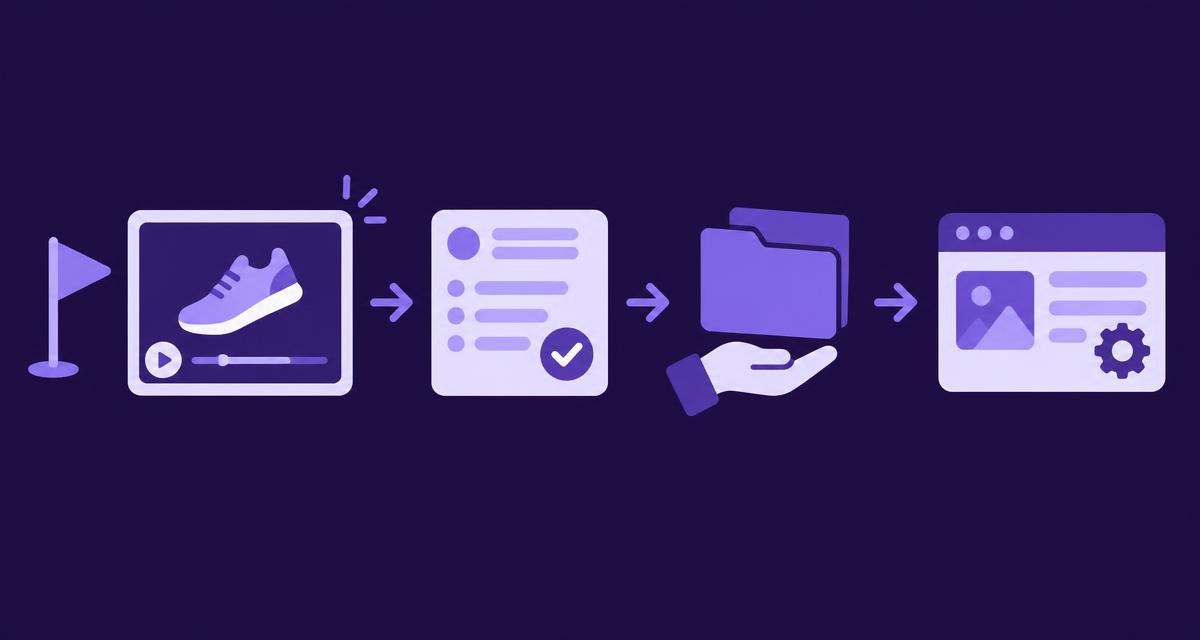
Brand and campaign teams can extend a launch by planning how its video evidence will become useful content before the campaign handover closes. Analyse every advert, identify the questions it can support, confirm the facts and assign owners for publication and maintenance. AdCyte helps connect the findings to the source video and prepare reviewed outputs. After launch, inspect the published material and relevant sampled AI answers to decide what needs improving, while keeping those observations separate from claims about campaign causation or sales.
Three key takeaways
- Add questions, sources and destination owners to the launch plan while the people who know the campaign are still available.
- Keep product facts and version differences visible throughout review and handover.
- Give post-launch improvement a named owner and a practical review point, rather than leaving it to whoever notices first.
Launch day is a handover point
Campaign teams are good at getting a large number of moving parts to arrive at the same date. Creative, media, product, legal, ecommerce and regional teams all have work to finish, usually while someone is asking whether the final file could be slightly more final.
The pressure creates a natural focus on delivery. Once the campaign launches, attention shifts to the next deadline. Useful product and brand knowledge can remain inside the assets and the conversations that produced them.
That knowledge has continuing value. Customers still ask questions after the media peak. Sales teams still need clear explanations. Search and content teams still need evidence for the pages people will find later.
The practical opportunity is to add a manageable knowledge handover to the launch process. It should preserve what the campaign communicates and give receiving teams enough context to use it without summoning the entire launch group back into a meeting.
Start with the questions the launch should help answer
Identify a small set of customer questions connected to the campaign objective. A new product launch might need to explain what changed, who a feature is useful for and which version includes it. A brand campaign might need to clarify its message, audience or occasion.
Involve the teams that hear those questions: customer support, sales, ecommerce and search. Their input can prevent the plan from filling up with questions the campaign team would rather be asked.
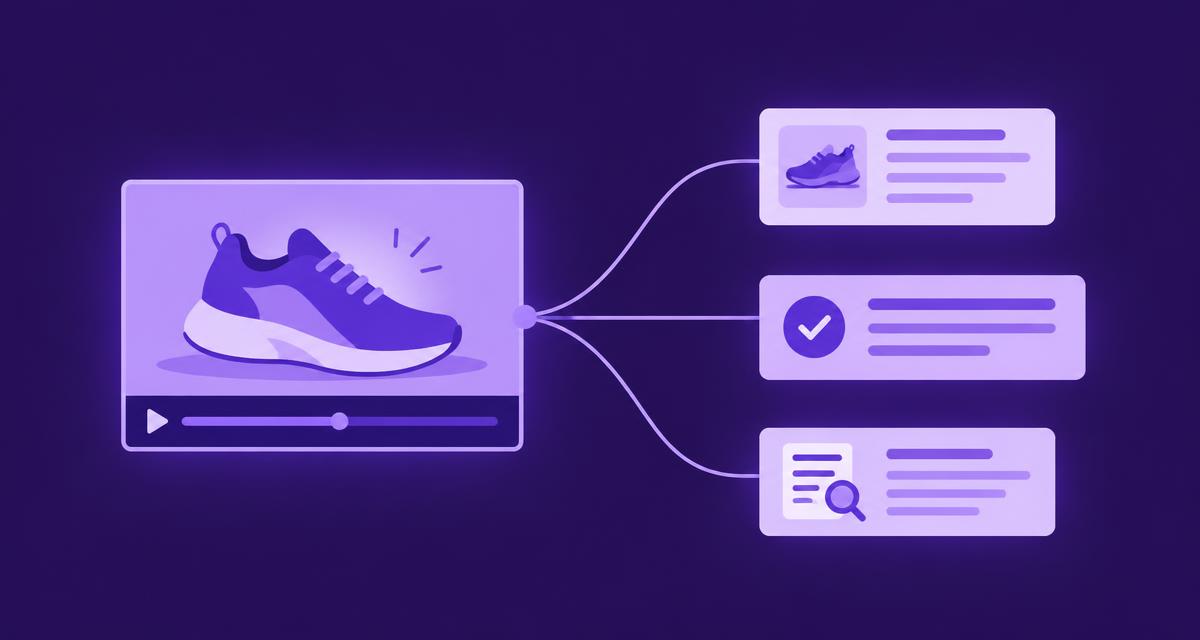
Map each question to available sources. The video may demonstrate the feature, while a current product record confirms the specification and a brand brief supplies the intended language. Mark missing evidence early so it becomes a manageable request.
An unanswered question is a useful planning signal. It can reveal a source gap or a content need before the campaign generates more public attention around it.
Analyse the complete asset set
Run every advert through AdCyte, including the hero film, cutdowns and market versions. Review important findings against the source moments and record which version supports them.
A short edit can retain a product claim while losing the qualifying context found in the longer film. A regional version can show a different package. A demonstration can appear in one asset but not another. These differences matter when the findings are used to prepare new content.
Do not assume that the most recent filename proves the asset is current. Confirm the version through the existing campaign process and keep the reference with the analysis. The naming convention may have excellent intentions; intentions are not version control.
Use the resulting record to understand the campaign as a set of related communications. It helps the team identify consistent messages, useful variations and claims that need closer review.
Give the handover a simple structure
| Handover item | What to record | Why the receiving team needs it |
|---|---|---|
| Customer question | The specific need being answered | To preserve the purpose of the content |
| Supporting evidence | Video moment and approved factual source | To inspect the basis of the wording |
| Scope | Product, market, version and conditions | To avoid applying a statement too broadly |
| Approved output | The reviewed text and its intended destination | To publish the correct version |
| Owner and status | Approver, publisher and unresolved issues | To know what can happen next |
| Maintenance trigger | Relevant change or review point | To keep the information useful after launch |
Keep this record proportionate. The receiving team should be able to act without reading the entire production history. Link to detailed sources where needed and make unresolved issues visible near the affected output.
The handover is complete when the next owner can understand the work and its remaining responsibilities. Sending a link to a folder is sometimes part of that process, but rarely all of it.
Work through a launch question
Imagine a campaign introducing a new electric toothbrush. The hero film shows a travel case, while a shorter product edit demonstrates a pressure indicator. The customer question is whether the standard UK package includes the case.
Analysis helps identify the relevant moments, but the product record establishes package contents. The review finds that the case belongs to a travel bundle. That distinction should appear in the website answer and in any description that might otherwise imply universal inclusion.
The campaign team prepares a clear answer, links it to the correct product or bundle page and assigns publication to ecommerce. The video description receives wording suited to its own context. A brief internal note explains the package distinction for customer support.
Each output serves a different destination while preserving the same approved fact. The launch has gained useful supporting information without requiring another production day or an elaborate new campaign concept.
Assign responsibilities before the team disperses
Name the fact owner, wording approver and publisher. Agree what happens when a reviewer is unavailable, a product detail changes or a destination cannot publish by the intended date.
Separate unresolved content from approved material. If one answer needs a product clarification, it should not quietly inherit approval because the rest of the campaign is ready. Equally, a small unresolved item need not obscure the status of everything else.
Set a clear handover point for maintenance. The launch team may own the first publication, while an ongoing content or product team owns later changes. Record that transfer explicitly so responsibility does not disappear when the project channel goes quiet.
This is less about introducing another ceremony and more about making the existing one useful. A five-minute ownership decision can save weeks of mutually polite forwarding.
Publish where the answer belongs
Prefer the destination that best serves the question. An existing product page may need a concise answer and supporting detail. A broader buying question may justify a guide. Campaign descriptions and social material can provide context and point to the maintained source.
Confirm the publication method available in the current setup. Supported AdCyte destinations and external channels may have different workflows; some may require manual publishing by the channel owner. Check the live result, including links and qualifiers.
Analyse every advert, then choose outputs according to useful substance. A campaign with many cutdowns does not need a matching forest of near-identical pages. The audience is unlikely to thank you for a comprehensive archive of the same paragraph.
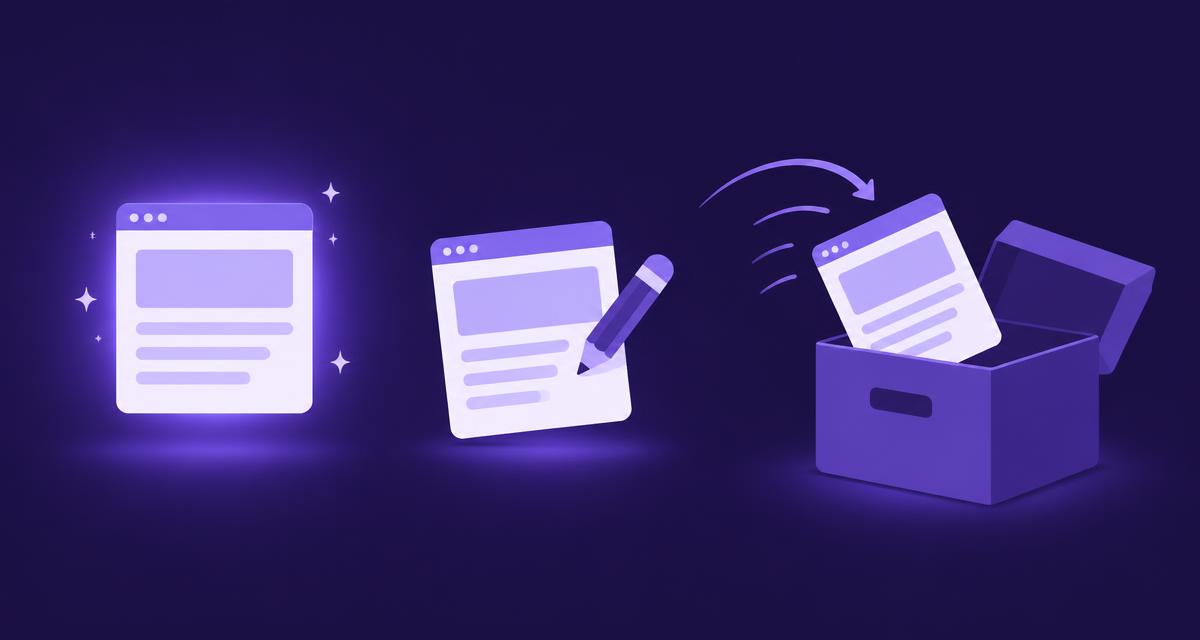
Use the publication guide to carry an approved answer through the final checks and destination handover.
Review the launch while the context is still available
Choose a post-launch review point appropriate to the work. Inspect whether the intended material is live, whether users can find the relevant answer and whether known product questions remain unresolved.
Where AI visibility is being observed, use an agreed question set and record the provider or surface, dates and sample eligibility. Inspect the answers behind mentions, recommendations and citations. An inaccurate description deserves a different response from an absent mention.
Avoid treating every change after launch as the result of the newly published content. Media activity, third-party coverage and system variation can all contribute. The observations are useful for investigation without being a complete explanation of campaign performance.
Capture the lessons in the next brief: missing product facts, confusing naming, useful demonstrations and handover issues. A longer useful life for the campaign also means a better starting point for the campaign that follows it.
Add a knowledge handover to your next launch
Explore AdCyte for brand and campaign teams, then book a demo around an upcoming launch. Bring one asset, one customer question and the names of the teams that need the resulting content.
FAQs
When should a campaign team start this work?
Identify questions, approved sources and destination owners during planning. Analyse assets when a sufficiently stable version is available, then review affected findings if the final edit changes. Starting before handover makes it easier to resolve questions while the relevant product and creative colleagues are still involved.
Do we need to analyse every cutdown?
Yes, each advert can communicate a different combination of product detail, claim and context. Reviewing the complete set helps identify those differences. The resulting publication plan can still consolidate overlapping evidence into a smaller number of useful answers rather than creating a separate article for every edit.
What if our campaign is mainly emotional brand advertising?
It may still provide useful evidence about positioning, people, occasions, messages and creative intent. Choose outputs that suit that material, such as campaign descriptions or brand explanations. Do not force a technical product answer from an asset that does not contain the necessary evidence.
Who should maintain the content after the campaign ends?
Assign that responsibility during handover to the relevant ongoing product, content or channel owner. Record the source facts and changes that should trigger review. Without an explicit transfer, maintenance often falls between the launch team that has moved on and the destination team that lacks context.
Can one answer be used across several destinations?
Its approved meaning can inform several outputs, but adapt the wording and detail to each destination. Preserve important conditions and link to the maintained source where useful. Track ownership so a later factual correction can reach the website, video description and other affected material.
How should we assess whether the handover helped?
Check whether receiving teams could publish useful, accurate material with fewer unresolved questions and less reconstruction. Record review effort and publication completion. If you also examine visibility or commercial outcomes, use their own methods and avoid attributing every post-launch change to the handover.
<!-- Public copy ends. -->