What you will achieve
You will create a market-specific brief, prepare one reviewed answer and record the local sources, reviewers and destination. The process keeps language choices separate from product facts so a shared campaign can support a useful local output without importing the wrong configuration or offer.
Use AdCyte to inspect the campaign evidence and prepare written material through the controls available in your workspace. This guide can be followed with a manual market brief; it does not depend on an automated localisation feature or assume that language adaptation provides local approval.
Before you begin
- Choose one campaign, one customer question and one target market.
- Specify the language separately from the market.
- Obtain current authorised product information for that market.
- Identify the factual reviewer, a suitable language/editorial reviewer and the destination owner.
- Gather relevant global and local campaign executions, plus applicable brand guidance.
If product identity is uncertain, resolve that before drafting. A local version of the wrong answer is still the wrong answer, now with excellent spelling.
1. Define the reader and the exact question
Write the question as the intended reader would ask it. For example: “Which speaker models can be used in the setup shown in this campaign?” State the market, language, product scope and destination.
Record whether the question comes from customer evidence or is a proposed editorial hypothesis. Identify the useful next step, such as a current product page or maintained setup guide. Avoid making the brief so broad that it becomes a request to translate the entire campaign archive.
Choose one output with a clear purpose. A short product answer can establish the process before the team tackles a longer guide or several external versions.
Check: market, language, reader, product and purpose are separate fields in the brief.
2. Review the relevant campaign executions
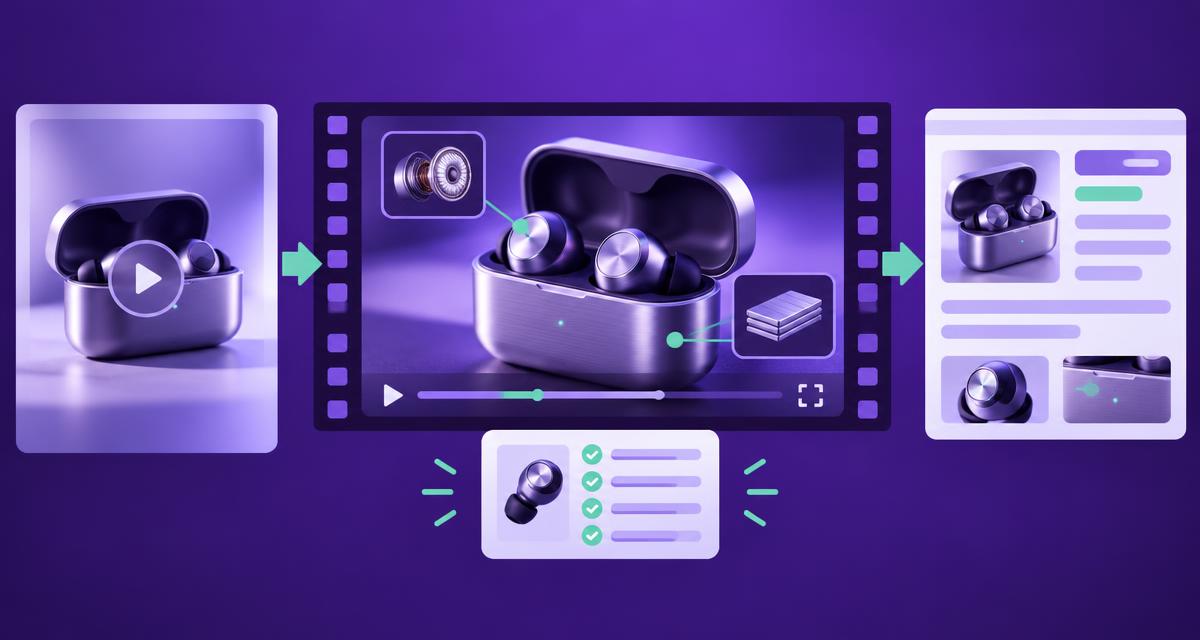
Run the selected campaign ads through AdCyte and inspect the findings that relate to the question. Note which film or cutdown supplies each useful moment. Local edits may contain different product names, packs, features or offer wording.
Record what is shown, what is spoken and what appears as on-screen text. Keep instructions and captions distinct from actions actually demonstrated. If the film says “pair the speakers” but omits the pairing sequence, describe that accurately.
Identify any detail that could mislead the target market, such as an accessory not included locally. Decide whether the footage can be used with clear context or whether the destination needs a different asset.
Illustrative speaker-campaign brief
Separate market from language

A shared language does not establish shared availability or configuration.
3. Build the local fact record
List the facts required to answer the question and their authorised sources. For a speaker setup, that might include exact model names, supported configurations and the current setup destination. Do not infer compatibility from a successful filmed sequence alone.
Separate common facts from market-specific facts. Record the effective date or version where it matters and the person authorised to resolve uncertainty. A global reference may be relevant, but the local owner should confirm its applicability.
If sources conflict, hold the affected statement back until the factual owner resolves it. Do not combine two incompatible claims into a compromise sentence that nobody approved.
Check: every material local statement has a current source or a clearly recorded open question.
4. Write the adaptation instructions
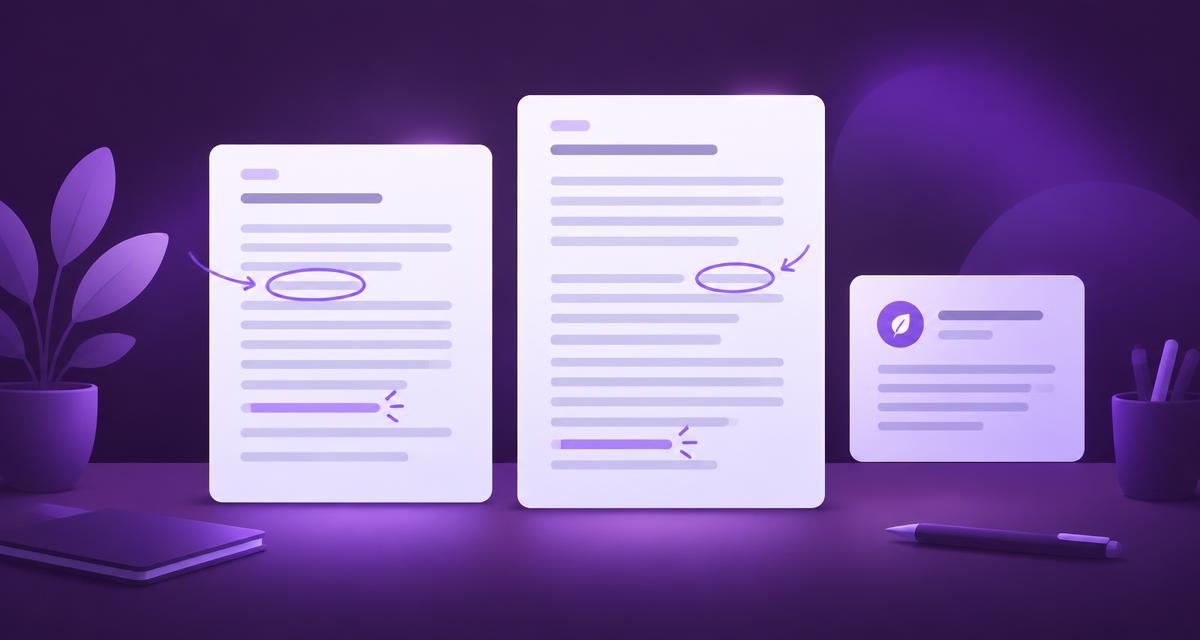
State what must remain fixed: product identity, approved claims, qualifications and any exact wording that the owner requires. Then describe what can change: terminology, sentence rhythm, examples and the amount of explanation needed for the reader.
Include relevant voice examples with editorial reasons, labelled as style guidance. Do not allow an old local campaign example to supply a new offer or product claim. If a joke or cultural reference does not travel, explain the intended tone and allow a different expression.
Keep the instruction practical. “Make it sound local” leaves too much unresolved. “Use familiar terminology for the setup, explain the necessary technical term once and retain the approved compatibility qualification” gives the writer something to apply.
Example editorial handoff
Two reviews before release
An accepted draft is not a published page. Inspect the destination separately.
5. Prepare the draft using the available workflow
Use the reviewed evidence and approved context in AdCyte's supported writing workflow. Supply market, language and purpose through available controls; keep any unsupported fields in the accompanying brief and editorial handoff.
If the product does not provide the required language or adaptation control, use an authorised manual writing or editing process with the same source record. Do not describe that manual step as an automatic product capability.
Keep the draft focused on the chosen question. Name the product clearly, explain the demonstrated setup and direct the reader to current information where detail belongs. Avoid adding local availability or performance claims merely to make the answer feel complete.
Record the draft or revision reference used for review. Generated text remains a draft until the appropriate people have checked it.
6. Review facts and language separately
Ask the factual reviewer to check product identity, market applicability, conditions and current references. Ask the language/editorial reviewer to assess clarity, natural expression, terminology and brand voice. One person may hold both roles, but both questions need an answer.
Read the qualification beside the claim it limits. Check that a shorter local sentence has not widened the meaning. Inspect links, captions and calls to action as well as the main paragraph; these can quietly point readers to another market.
Where the source and target languages differ, use an appropriate bilingual review process. A back-translation may help reveal a question, but it does not replace a competent review of the actual public wording.
Check: the accepted version is identified and both factual and editorial decisions are recorded.
7. Publish to the correct destination and record ownership
Use the destination's established publishing process. Ask the website owner to place the answer within the existing market and language architecture, including relevant metadata and links. Do not create a new route convention solely for this one piece.
Inspect the live version. Check the product, market context, language, video, qualification and next-step links. Confirm that readers can reach the intended current reference and use the site's normal controls to find another version where appropriate.
Record the final URL, actual publication date, approved version and maintenance owner. Keep external copies in the same destination register. A change to one market's source should trigger a scoped review, rather than an assumption that all versions need the same edit.
Worked market brief
This is a template example to complete with authorised information.
| Field | Example entry |
|---|---|
| Reader question | Which models support the setup shown in the speaker campaign? |
| Market and language | UK; English |
| Product scope | Exact locally approved model names from the current reference |
| Video evidence | Reviewed paired-speaker sequence and relevant on-screen wording |
| Local facts | Current compatibility scope and setup destination |
| Fixed wording | Required product names and material qualifications |
| Adaptable expression | Explanation length, familiar terminology and restrained brand tone |
| Review roles | Product owner and local editor |
| Destination | Existing UK product or support page, resolved before publication |
| Change trigger | Compatibility, product naming or setup guidance changes |
Troubleshooting
| Problem | Action |
|---|---|
| The language is right but the product differs | Recheck the market-specific identity and source record |
| The global and local references disagree | Obtain an explicit factual decision before using the claim |
| A qualification feels awkward | Rewrite for clarity while preserving its meaning |
| The footage depicts a different configuration | Add accurate context or choose a more suitable asset |
| Localisation controls are unavailable | Use a manual brief and authorised editorial workflow |
Completion checklist
- Market and language are stated separately.
- Relevant campaign executions have been reviewed.
- Local facts have current authorised sources.
- Fixed meaning and adaptable expression are clear.
- The accepted draft has factual and editorial review.
- The live destination and future update owner are recorded.
Next step
Use AdCyte's content workflow to prepare the evidence-backed material, and read How can video campaigns support different markets? before extending the process to further versions.
FAQs
Can this guide be used for two markets that share a language?
Yes. Keep market and language separate, then check the product facts and destination for each market. Shared language does not establish shared availability, configuration or offer terms.
Do we need to rewrite the whole answer for each market?
No. Reuse the parts that remain accurate and useful, then adapt the facts and expression that genuinely differ. Review each final version in context so shared text does not conceal a local qualification.
Does a local reviewer approve the product's availability or claims automatically?
No. Assign factual authority explicitly and use the relevant authorised sources. A language review establishes whether the expression works; it does not by itself establish product availability, claim approval or permission to publish.